
The Real Cost of Delaying Property Maintenance (ROI Breakdown)
- Apr 7
- 5 min read
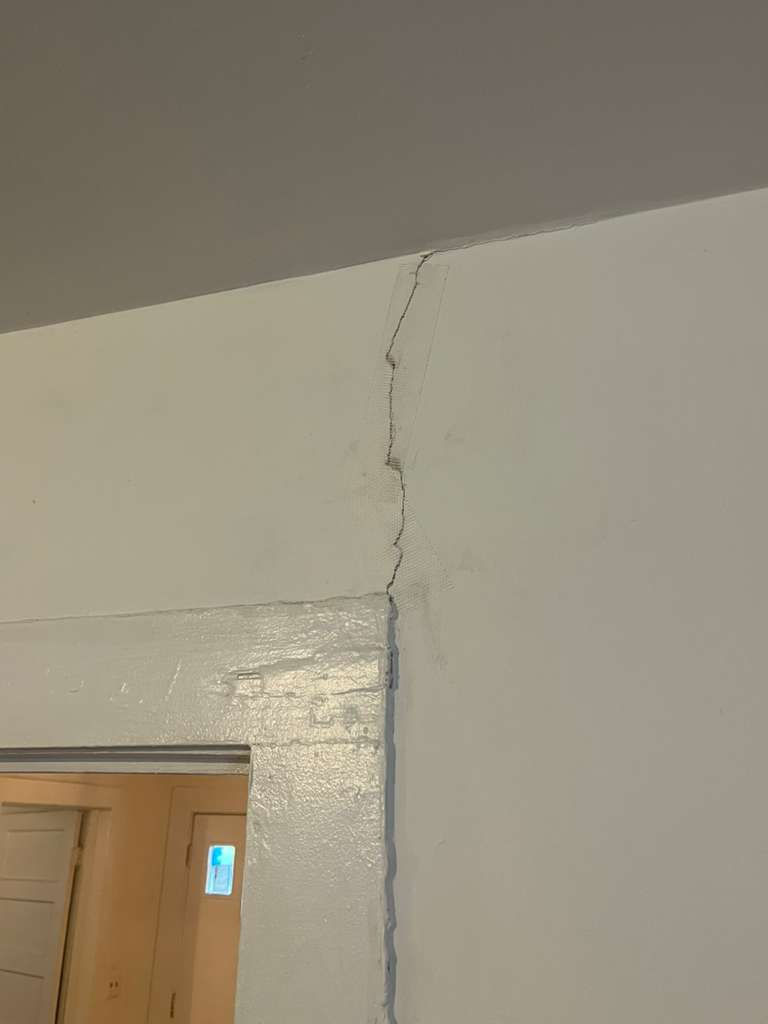
Property owners and managers often delay repairs because the issue looks minor at first. A small drywall crack, peeling paint, worn flooring, or water-stained ceiling may not seem urgent when there are other priorities competing for budget. But the real cost of delayed maintenance is almost never just the original repair. In most cases, the cost grows over time and starts affecting vacancy, tenant satisfaction, leasing speed, and long-term property value.
For owners managing rentals in Metro Atlanta, that can quickly become expensive. In competitive markets like Atlanta, Marietta, Alpharetta, Decatur, Lawrenceville, and McDonough, even small maintenance delays can reduce how a unit shows, how fast it turns, and how much rent it can command.
If you are thinking about property ROI maintenance, this is the part many investors miss: delaying maintenance does not save money when the delay creates a bigger repair, a longer vacancy, or a weaker first impression.
Why delayed maintenance hurts ROI
Return on investment in real estate is not only about big renovations. It is also about protecting what you already have. When basic maintenance is postponed, your property starts losing money in ways that are easy to overlook.
The first loss is repair escalation. A small issue often turns into a larger and more expensive one. A minor drywall repair can become a full wall repair if moisture continues behind the surface. A worn paint job can lead to more prep work, more labor, and a less efficient turnover. Damaged flooring can spread from one section to a larger area once traffic continues over it.
The second loss is vacancy. If a unit is not move-in ready, every extra day it sits empty affects your revenue. The cost of delayed maintenance is not only what you pay the contractor later. It is also the rent you do not collect while the unit waits.
The third loss is perception. Prospective tenants notice chipped paint, stained ceilings, damaged trim, and old flooring right away. Even when the layout is good, visible maintenance issues make the property feel neglected. That can lead to lower-quality applicants, more objections during tours, and pressure to discount rent.
The hidden costs property owners usually miss
When people talk about deferred maintenance on rental property, they often focus only on the contractor invoice. But the hidden costs are where ROI really starts to drop.
1. Higher repair costs later
Most maintenance issues get worse with time. What could have been a quick patch, repaint, or board replacement often becomes a bigger scope with more materials and more labor. Delayed maintenance usually means:
more surface prep
more extensive damage
longer project timelines
higher labor cost
more disruption to turnover schedules
This is one of the biggest reasons the real cost of delaying property maintenance is higher than most owners expect.
2. Longer turnover time
For multifamily owners and property managers, speed matters. A delayed repair can hold up painting, flooring, cleaning, and final punch work. One unfinished issue often affects everything behind it.
For example, if damaged drywall is ignored until move-out, the turnover team may have to stop painting and wait for repair work first. If flooring is delayed, the final cleaning and photos may be pushed back too. That means the unit is not market-ready when it should be.
In a market like Atlanta or Lawrenceville, where leasing speed matters, those extra days can cost more than the repair itself.
3. Lower rental appeal
A property does not need a full renovation to make a strong impression. But it does need to feel clean, maintained, and ready. Small cosmetic issues can create a “cheap” or “neglected” feeling, even when the actual problem is simple to fix.
This is where property ROI maintenance becomes very practical. Fresh paint, repaired drywall, updated flooring, and a clean finish help protect rental value. They make the unit easier to show, easier to market, and easier to lease.
4. Tenant dissatisfaction and retention issues
Delayed maintenance does not only affect vacancies. It also affects existing tenants. When residents feel that repairs are slow or ignored, trust drops. Complaints increase. Lease renewals become less likely.
That matters because turnover itself is expensive. Losing a good tenant because of unresolved maintenance can trigger cleaning costs, repair costs, marketing costs, and another period of vacancy. In other words, one delayed issue can create a chain reaction.
A simple ROI breakdown
Here is a practical way to think about the cost of delayed maintenance.
Let’s say a property owner delays a minor repair that would have cost a few hundred dollars today. Over time, that issue grows into a larger repair, adds extra labor, and pushes the turnover back several days. Now the owner is not only paying more for the repair, but also losing rental income while the unit sits unleased.
That is the real ROI problem.
Instead of comparing “repair now” versus “repair later,” the better comparison is:
Once you look at it that way, the cost of delayed maintenance becomes much more obvious.
Common examples of delayed maintenance that get expensive fast
Some of the most common issues that start small but grow quickly include:
Peeling or outdated paint
Old paint makes a property look tired fast. It also usually requires more prep if it is left too long. For rental properties in places like Decatur, Marietta, and McDonough, fresh paint is one of the simplest ways to improve appearance and leasing appeal.
Drywall damage
Small holes, cracks, and water-damaged spots are easy to ignore until turnover. But they can make a unit look poorly maintained and often delay the full make-ready process.
Flooring wear
Scratched, stained, or lifting floors affect both function and presentation. In high-traffic rentals across Metro Atlanta, worn flooring can make the entire property feel older and less cared for.
Water-related damage
This is one of the most expensive categories to delay. Ceiling stains, soft drywall, damaged trim, or flooring issues caused by moisture can keep spreading if the source is not addressed.
Why proactive maintenance performs better
Proactive maintenance supports stronger ROI because it protects revenue, reduces surprises, and keeps your asset in better leasing condition year-round.
For property managers and investors, proactive maintenance helps by:
reducing emergency repair costs
shortening turnover timelines
improving tenant satisfaction
protecting rent-ready appearance
supporting stronger long-term property value
This is especially important for owners competing in Metro Atlanta markets where renters have options. In cities like Alpharetta, Atlanta, and Lawrenceville, tenants notice condition quickly. A well-maintained property simply performs better.
Maintenance is not just an expense — it is asset protection
One of the biggest mindset shifts for owners is this: maintenance is not only a cost center. It is asset protection.
Every property loses value faster when basic upkeep is ignored. On the other hand, a property that stays paint-ready, repair-ready, and move-in ready is easier to lease, easier to market, and easier to hold long term.
That is why property ROI maintenance matters so much. Good maintenance protects your finish quality, your rental income, your tenant experience, and your ability to keep units performing.
Final takeaway
The cost of delayed maintenance is rarely just the repair itself. It shows up in bigger invoices, longer vacancies, lower tenant confidence, and missed income. For owners and managers in Atlanta, Marietta, Alpharetta, Decatur, Lawrenceville, and McDonough, delaying small issues often creates bigger financial problems later.
If the goal is better ROI, faster turns, and stronger property performance, the smarter move is usually to fix problems early, before they spread and before they affect leasing.
For rental properties, maintenance done on time is almost always cheaper than maintenance done too late.
CTA
Need help reducing the cost of delayed maintenance on your property in Metro Atlanta? J&Z Painting & Remodeling helps owners and property managers complete repairs, painting, and turnover-ready updates faster so units can get back on the market in better condition.

