Best Flooring Options for Rental Properties: Durability vs Cost

When choosing the best flooring for rentals, most property owners are trying to balance two things: durability and cost. You want a floor that looks clean, holds up to daily wear, and does not force you into frequent repairs between tenants. At the same time, you do not want to overspend on materials that will not give you the right return for your rental property.
For landlords and property managers in Atlanta, Lawrenceville, Duluth, Norcross, Marietta, and across Gwinnett County, flooring plays a bigger role than many people think. The right material can help reduce turnover expenses, improve the look of the unit, and make your property easier to maintain over time. The wrong choice can lead to constant damage, more maintenance calls, and faster replacement.
In this guide, we will compare some of the best flooring options for rental properties so you can make a smarter decision based on your budget, tenant type, and long-term maintenance goals.
Why Flooring Matters in Rental Properties
Flooring affects more than just appearance. In rental units, it impacts:
Maintenance costs
Turnover speed
Tenant satisfaction
Cleaning time
Long-term replacement expenses
Overall property value and appeal
If you manage multifamily units or single-family rentals in the Atlanta metro area, flooring also affects how quickly you can get a vacant unit rent-ready. A damaged or outdated floor can instantly make a unit feel older, even if the paint and fixtures are in good shape.
That is why many owners now look for durable rental flooring instead of simply choosing the cheapest option upfront.
What Makes a Flooring Option Good for Rentals?
Before comparing materials, it helps to know what makes flooring a smart choice for a rental property.
The best flooring for rentals usually has these qualities:
1. Durability
Rental units see a lot of foot traffic, moving furniture, spills, pet scratches, and general wear. A durable floor helps reduce repairs and replacement frequency.
2. Easy Maintenance
Property managers benefit from flooring that is easy to clean and does not require special upkeep.
3. Affordable Installation and Replacement
Even a good-looking floor can become a bad investment if the install cost is too high or repairs are difficult.
4. Attractive Appearance
Flooring still needs to look modern and appealing to prospective tenants. A unit that looks fresh and updated can lease faster.
5. Moisture Resistance
Bathrooms, kitchens, laundry rooms, and entry areas need materials that can handle moisture better than traditional wood or low-grade laminate.
Best Flooring Options for Rental Properties
Let’s break down the most common flooring choices for rentals and compare them based on durability vs cost.
1. Luxury Vinyl Plank (LVP)
Luxury vinyl plank is one of the most popular answers when people ask about the best flooring for rentals.
Pros
Highly durable
Water-resistant or waterproof
Easy to clean
Looks similar to hardwood
Available in many styles and price points
Works well in living rooms, bedrooms, kitchens, and hallways
Cons
Lower-end products can still scratch or dent
Subfloor prep matters for final appearance
Not all vinyl products are equal in wear layer quality
Best For
Owners who want a clean, modern look without paying hardwood prices.
For many rental properties in Atlanta, Duluth, Lawrenceville, and Norcross, LVP is often the best balance of style, performance, and upkeep. It holds up well during tenant turnover and helps units look updated without the maintenance concerns of real wood.
Durability vs Cost
If your goal is to find durable rental flooring that still makes the property look attractive, LVP is usually one of the strongest options. It may cost more upfront than basic carpet or low-end laminate, but it often saves money over time because it lasts longer and handles wear better.
2. Laminate Flooring
Laminate is another common option for rental properties, especially when owners want a wood-look floor at a lower price point.
Pros
Lower material cost than many premium options
Attractive appearance
Fast installation in many cases
Available in a wide variety of finishes
Cons
More vulnerable to water damage than vinyl
Can chip or swell if exposed to moisture
Lower-quality laminate may wear out faster in high-traffic rentals
Best For
Dry interior areas with moderate traffic and tighter renovation budgets.
Laminate can work well in some rental properties, but it is usually less forgiving than LVP when spills, leaks, or heavy tenant use become a factor. For owners managing units in busy areas of Marietta or Gwinnett County, that difference can matter.
Durability vs Cost
Laminate may look cost-effective at first, but if it gets damaged by moisture or impact, replacement costs can add up. It can still be a reasonable option for budget-conscious owners, but it usually ranks below LVP for long-term rental durability.
3. Carpet
Carpet is still used in many rental properties, especially in bedrooms and upstairs areas.
Pros
Lower upfront cost
Soft underfoot
Can reduce noise
Fast to replace in some cases
Cons
Stains easily
Holds odors and allergens
Wears out faster in high-traffic areas
Less appealing to many modern renters
Often needs replacement between tenants
Best For
Bedrooms in lower-budget rentals or properties where noise reduction is a major concern.
Carpet can still make sense in certain units, but for many landlords, it creates more turnover headaches. If your team is trying to reduce vacancy time, carpet can become a problem because stains, odor retention, and visible wear make units feel older faster.
Durability vs Cost
Carpet has a low entry cost, but it often has the weakest long-term value in rentals. It may be cheap to install, but repeated replacement can make it more expensive over time. For owners focused on efficiency, carpet is rarely the top answer for best flooring rentals in high-turnover properties.
4. Tile Flooring
Tile is commonly used in bathrooms, kitchens, and sometimes full units depending on the property type.
Pros
Very durable
Excellent water resistance
Easy to clean
Long lifespan
Good for hot climates and moisture-prone areas
Cons
Higher labor cost
Harder and colder underfoot
Grout can become dirty or difficult to maintain
Repairs may be more noticeable if not matched well
Best For
Bathrooms, laundry areas, kitchens, and properties where water resistance is a top concern.
Tile can be a strong choice in certain areas of a rental, especially where moisture exposure is common. In multifamily or turnover-heavy properties, tile often works best as part of a mixed-flooring strategy rather than throughout the whole unit.
Durability vs Cost
Tile performs very well in durability, but labor and installation costs can be significantly higher. It is often worth it in wet areas, but not always the most cost-efficient whole-unit flooring solution for standard rental properties.
5. Sheet Vinyl
Sheet vinyl is a practical, budget-friendly option often used in lower-cost rentals or utility-focused spaces.
Pros
Affordable
Water-resistant
Easy to clean
Good for kitchens and baths
Fewer seams than some plank products
Cons
Less premium appearance
Can tear or gouge
May not elevate the overall look of the property
Replacement can be tricky if damaged
Best For
Budget units, utility areas, or owners prioritizing basic function over upgraded appearance.
Durability vs Cost
Sheet vinyl can be a decent low-cost solution, especially for certain rooms. However, if you are trying to improve leasing appeal and modernize a property in competitive rental markets like Atlanta or Marietta, LVP usually offers a stronger visual upgrade.
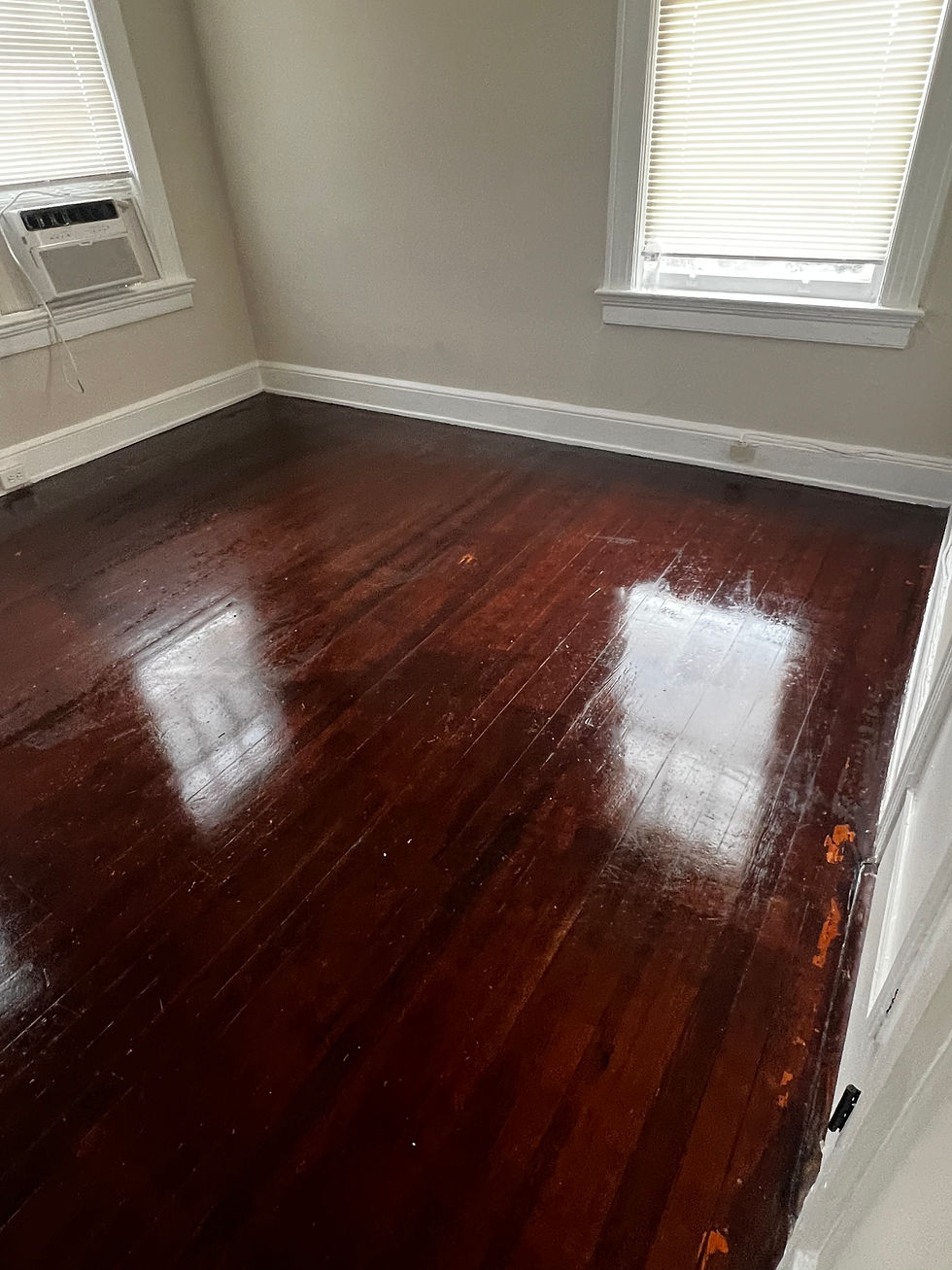
6. Hardwood Flooring
Hardwood is attractive and adds value in the right type of property, but it is not always the most practical flooring for rentals.
Pros
Premium appearance
Strong property value appeal
Can last a long time if maintained properly
Can be refinished in some cases
Cons
Higher material and labor cost
Vulnerable to scratches and moisture
Requires more maintenance
Not ideal for many standard rental environments
Best For
Higher-end rentals or properties targeting premium tenants.
Durability vs Cost
Hardwood looks great, but for most rental owners, it is not the most practical answer when comparing durability vs cost. Unless the rental rate and tenant profile justify it, hardwood often creates more maintenance risk than necessary.
Which Flooring Is Best for Rental Properties?
If you are comparing all options side by side, here is the simple breakdown:
Best overall balance of durability and cost: Luxury Vinyl Plank (LVP)
Best for wet areas: Tile
Best low-budget option: Sheet vinyl or select laminate
Best for comfort/noise in bedrooms: Carpet
Best for high-end rentals: Hardwood
For most landlords and property managers, LVP is often the best flooring for rentals because it gives you a durable, attractive, and easier-to-maintain surface without the high cost of hardwood or the short lifespan of carpet.
How to Choose Based on Your Property Type
Not every rental needs the same flooring plan.
For Multifamily Units
If you manage apartments or multiple turnovers each year, durability and speed matter most. A consistent flooring system like LVP can simplify maintenance and make turns faster.
For Single-Family Rentals
If the home targets long-term tenants, you may be able to mix materials strategically. LVP in main areas, tile in wet rooms, and limited carpet in bedrooms can be a balanced solution.
For Budget Rentals
Focus on materials that are affordable to install but will not need immediate replacement after one lease cycle.
For Higher-End Properties
Appearance matters more, but durability should still guide the final decision. Upgraded LVP products can often give a premium look with lower risk than hardwood.
Common Flooring Mistakes Property Owners Make
When choosing durable rental flooring, here are a few mistakes to avoid:
Choosing Based Only on Lowest Price
The cheapest flooring is not always the cheapest long-term. Frequent repairs and replacements add up quickly.
Ignoring Tenant Wear Patterns
A property with pets, children, or frequent turnover needs a different solution than a quiet, low-traffic home.
Using Carpet in Too Many Areas
Carpet may seem affordable, but it often increases turnover costs.
Not Thinking About Maintenance Teams
If your team has to spend more time cleaning, patching, or replacing the flooring, that affects operations and vacancy time too.
Final Thoughts
The best flooring options for rental properties depend on your goals, budget, and tenant use, but when comparing durability vs cost, some materials clearly perform better than others.
For many property owners in Atlanta, Lawrenceville, Duluth, Norcross, Marietta, and throughout Gwinnett County, luxury vinyl plank continues to stand out as one of the smartest investments. It gives you the modern look renters want, the easier maintenance property managers need, and the durability that helps control turnover costs over time.
If you are preparing a rental for a new tenant, planning a make-ready, or updating multiple units, flooring is one of the most important decisions you can make. Choosing the right material now can save time, money, and frustration later.
If your rental property needs flooring updates, unit turns, painting, or renovation work, J&Z Painting & Remodeling can help you improve the look and function of your property with practical solutions built for long-term value.