Cost-Effective Upgrades Between Tenants: Paint, Flooring and More
Updated: Mar 18
When one tenant moves out and another is getting ready to move in, the turnover window can feel short and expensive. For property managers, every day a unit sits vacant affects revenue. At the same time, rushing through updates can lead to repeat maintenance issues, poor first impressions, and higher costs down the road.
The good news is that not every turnover has to become a major renovation. With the right strategy, you can focus on affordable tenant turnover renovations that improve the look, function, and marketability of the property without overspending. A smart mix of paint, flooring, lighting, and minor repairs can help you lease faster, reduce complaints, and protect your long-term asset value.
Whether you manage single-family rentals, duplexes, or multifamily units in small towns, suburbs, or large metro markets across all cities, cost effective upgrades for rental properties are often the difference between a long vacancy and a quick turnaround.

Why tenant-turnover upgrades matter
Between tenants is the ideal time to make targeted improvements. The unit is empty, contractors can move faster, and you have the opportunity to address cosmetic wear before it turns into a bigger problem.
For property managers, the goal is not to create a luxury remodel every time. The goal is to make practical upgrades that:
improve visual appeal
hold up to everyday wear
support faster leasing
reduce future maintenance calls
fit within a realistic turnover budget
The most successful turnover plans focus on value, not just low upfront cost. A cheap fix that fails in six months is rarely a bargain. Durable, attractive, and easy-to-maintain finishes usually deliver the best return.
Start with a turnover assessment
Before approving work, walk the property with a checklist. Look at the condition of the walls, trim, flooring, fixtures, and high-touch areas like kitchens, bathrooms, and entryways.
Separate needs into three categories:
Must-do items: damage, safety concerns, leaks, broken fixtures, stained flooring, or heavily marked walls.
Should-do items: worn but functional finishes that may hurt leasing appeal, such as dated paint colors, scratched floors, or old cabinet hardware.
Nice-to-have items: upgrades that add polish but are not essential if budget is tight.
This helps property managers prioritize work and avoid spending money in the wrong places.

1. Repaint for a fresh, clean first impression
Fresh paint remains one of the best-value improvements during turnover. Clean, updated walls instantly make a rental feel better maintained. They also photograph better in listings and help prospective tenants picture themselves in the space.
Professional painting services for rentals are especially valuable when:
walls have scuffs, patch marks, or smoke residue
multiple colors from previous tenants make the unit feel dated
trim and doors show wear
you want a consistent look across several units
For most rental properties, neutral tones are the safest choice. Soft whites, warm greiges, and light taupes appeal to a broader range of renters and make rooms feel brighter and larger.
To keep repainting cost-effective:
standardize colors across your portfolio where possible
use durable, washable finishes in high-traffic areas
repaint only where needed if the existing paint is in good condition
bundle multiple units together for better contractor pricing
A clean paint job is often the quickest way to make an older rental feel move-in ready.
2. Invest in practical flooring installation
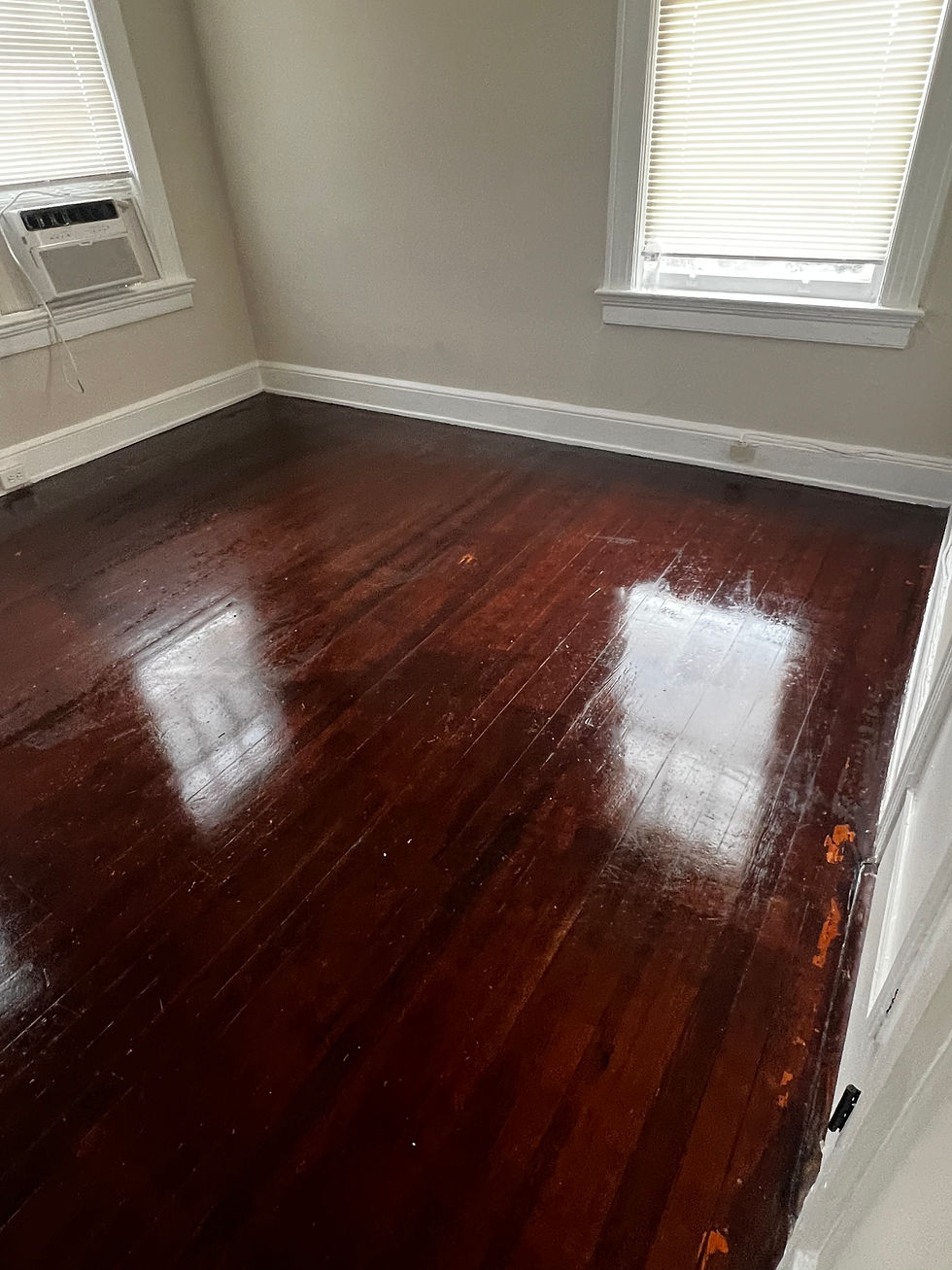
Flooring has a huge impact on both appearance and maintenance costs. If a unit still has stained carpet, peeling vinyl, or mismatched materials from past repairs, it may be time to consider updated flooring installation.
For property managers, the best flooring choices usually balance durability, price, and ease of replacement. Depending on the property type and tenant profile, good options may include:
Luxury vinyl plank: popular for its water resistance, durability, and modern look.
Commercial-grade carpet: still useful in bedrooms when noise control and comfort matter.
Sheet vinyl or durable tile: practical in bathrooms, laundry rooms, and some kitchens.
The key is choosing flooring that can withstand repeated turnovers. In many cases, replacing old carpet with a more durable hard-surface option reduces future cleaning and replacement expenses.
When evaluating flooring installation, ask:
How long is the expected lifespan?
How easy is it to clean between tenants?
Can damaged sections be repaired without replacing the whole floor?
Does it fit the rent level of the property?
These questions help ensure your upgrade supports both operations and leasing performance.
3. Update lighting and hardware without overspending
You do not need a full kitchen or bath remodel to improve the look of a rental. Small updates can create a more modern feel at a relatively low cost.
Budget-friendly upgrades include:
replacing outdated light fixtures
installing brighter, energy-efficient bulbs
updating cabinet pulls and doorknobs
changing worn switch plates and outlet covers
replacing old bathroom mirrors or faucets when needed
These improvements are especially useful in units that are structurally sound but visually dated. New hardware and lighting can make the property feel more current while keeping labor and material costs under control.
4. Address kitchens and bathrooms strategically
Kitchens and bathrooms often influence renter decisions more than any other spaces. But again, strategy matters. Instead of a full remodel, focus on visible, functional improvements.
Examples include:
repainting cabinets instead of replacing them
resurfacing counters if replacement is not necessary
regrouting tile
replacing damaged caulk
installing a new faucet or showerhead
replacing a worn vanity light
adding a simple backsplash where appropriate
These are strong examples of affordable tenant turnover renovations because they improve perception without creating a major capital expense.
5. Do the repairs that protect future budget
Some of the most important turnover investments are not flashy. Property managers should use vacancy periods to handle the repair items that can lead to more expensive problems later.
This may include:
patching drywall correctly
fixing door alignment issues
replacing damaged baseboards
repairing minor plumbing leaks
checking smoke detectors and GFCI outlets
servicing HVAC filters and vents
resealing tubs and sinks
These details may not stand out in listing photos, but they contribute to better tenant satisfaction and fewer emergency calls after move-in.
A simple case example: spending smarter during turnover
Consider a mid-market two-bedroom rental with moderate wear after a long-term tenant moves out. The walls are heavily scuffed, the bedroom carpet is stained, and the kitchen looks dated but functional.
A full renovation could easily blow the turnover budget. Instead, the property manager chooses a targeted plan:
fresh neutral paint throughout the unit
luxury vinyl flooring installation in the main living areas
replacement of bedroom carpet with a durable, budget-conscious option
new cabinet hardware and light fixtures
minor drywall repair and bathroom recaulk
The result is a unit that looks cleaner, newer, and better maintained without a full remodel. Leasing photos improve, showing volume increases, and the property is re-rented faster than expected. More importantly, the upgrades are durable enough to reduce future turnover work.
This is what cost effective upgrades for rental properties look like in practice: not cutting corners, but making thoughtful decisions that improve both presentation and performance.
How to prioritize upgrades by return
If your turnover budget is limited, use this order of priority:
Cleanliness, repairs, and paint
Flooring in visibly worn or damaged areas
Lighting and hardware updates
Kitchen and bathroom cosmetic improvements
Nice-to-have aesthetic extras
This order helps property managers focus first on the upgrades that most directly influence livability, appearance, and leaseability.
Final thoughts
Turnovers do not have to drain your budget to make a meaningful impact. With the right plan, painting services for rentals, smart flooring installation choices, and a handful of focused updates can transform a vacant unit into a more marketable home.
For property managers across all cities, the best turnover strategy is one that balances speed, durability, and cost. By prioritizing affordable tenant turnover renovations and making cost effective upgrades for rental properties, you can reduce downtime, improve tenant perception, and keep your rental portfolio performing at a higher level.
The most effective upgrades are rarely the most expensive ones. They are the ones that make the property easier to lease, easier to maintain, and better positioned for the next tenant.